Composite Bonding
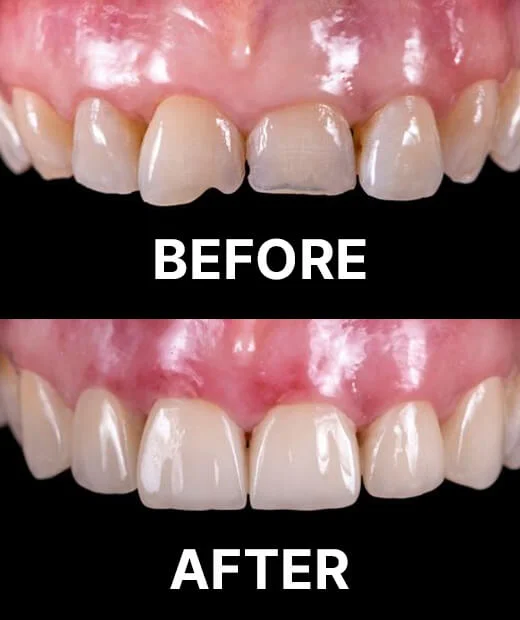
Dental composite bonding is a good option for patients who have minor cosmetic issues with their teeth, such as chipped, cracked, or stained teeth.

Composite Bonding in Swindon.
What is dental composite bonding?Composite bonding is a cosmetic dental procedure that involves the application of tooth-coloured composite resin material to improve the appearance of chipped, cracked, or stained teeth. The resin is bonded to the surface of the tooth using a special adhesive.
Composite bonding is typically offered as a solution for minor damage or gaps in teeth. When carried out as a cosmetic treatment, it is not available on the NHS. Dental bonding is an effective solution for fixing discolouration, filling chips, fractures or gaps between teeth.

What are the benefits of dental composite bonding?
Composite bonding is a quick and painless way to improve the appearance of your teeth. Some of the benefits of dental bonding provided by our dental practice in Swindon include:
Frequently asked questions
How is dental composite bonding done?
Your dentist will first clean the tooth and prepare it for the bonding process by applying a mild etching solution to roughen the surface of the tooth. We’ll then choose a resin colour that matches your tooth best so that the end result looks natural.
The composite resin material is then applied to the tooth in layers and shaped to match the contours of the tooth. A curing light is used to harden each layer of resin, and the final layer is polished to give it a smooth, natural-looking finish.
Is dental composite bonding permanent?
No, dental composite bonding is not permanent. The resin material can last for several years with proper care, but it may need to be replaced or repaired over time. Good oral hygiene practices, such as brushing and flossing regularly and avoiding hard or sticky foods, can help prolong the life of the bonding.
Is dental composite bonding painful?
The procedure for composite bonding is not painful. The process is minimally invasive and does not require any anaesthesia. Some patients may experience slight sensitivity to hot or cold temperatures immediately following the procedure, but this should subside within a few days.
How much does dental composite bonding cost?
The cost of dental composite bonding varies depending on several factors, including the number of teeth being treated and the complexity of the case. However, it is generally less expensive than other cosmetic dental procedures such as veneers or crowns.
More from Victoria Road Implant & Dental Clinic
Treatments are tailored to your specific needs and requirements. We are led by you and our goal is to help you achieve the smile that you deserve.